 Reviews

 Proudly American
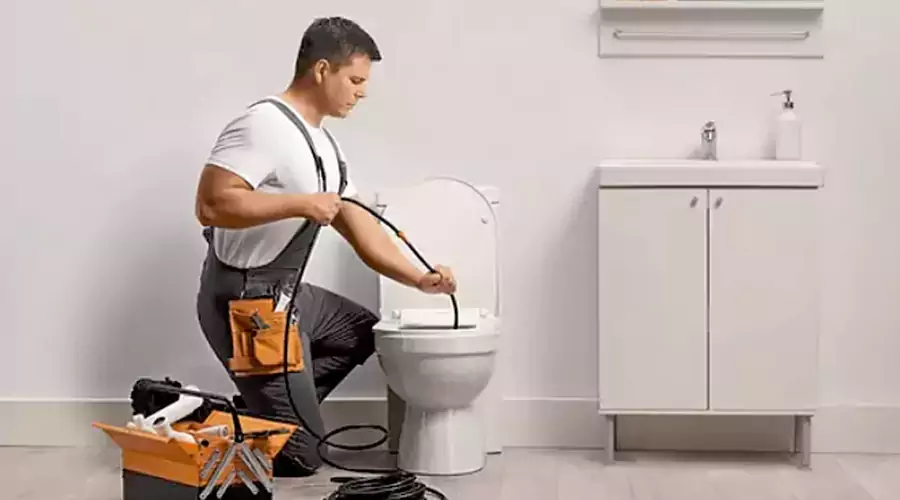
If plunging does not fix a clog, a toilet snake (closet auger) is usually the next best tool. It is designed to follow the toilet trap curve and clear blockages without scratching the porcelain.
What Is a Toilet Snake?
A toilet snake is a short, stiff cable in a protective tube with a crank handle and a curved tip. That curved tip helps it navigate the built in trap where many clogs form.
When to use a toilet auger?
- The toilet drains very slowly or threatens to overflow
- Plunging fails after a few solid attempts
- You suspect a solid item is stuck
What You Need?
- Toilet auger (3 to 6 feet)
- Rubber gloves
- Towels and a small bucket
- Trash bag for debris
- Disinfectant cleaner
Quick tip on buying the right auger
Choose a closet auger that has a coated cable and a rubber bowl guard. Those features help protect the porcelain and make the tool easier to control.
Prep Steps
1) Stop overflow risk
If the bowl is high or rising:
- Remove the tank lid and press the flapper down to stop flow
- Turn the shutoff valve behind the toilet clockwise
- Scoop out some bowl water if needed so you have working room.
2) Avoid chemical cleaners
Do not snake a toilet after using chemical drain cleaner. Splash back can be dangerous. If chemicals were used, follow the label and flush carefully before using tools, especially during a new toilet installation.
3) Protect the bowl
Make sure the auger’s rubber sleeve is in place and keep it against the porcelain while you work.
Step by Step: How to Snake a Toilet
Step 1: Position the auger
Place the curved end into the toilet bowl opening and aim it into the drain. Hold the tool steady so it does not slip.
Step 2: Feed the cable slowly
Turn the crank clockwise while applying gentle downward pressure. You may feel resistance as the cable follows the trap curve. Keep cranking slowly.
Step 3: Break up or hook the clog
When resistance feels firm and consistent, you likely reached the blockage.
Use this motion:
- Crank clockwise several turns with light forward pressure.
- Pull back a few inches.
- Push forward again while cranking.
Repeat until you feel the cable move past the resistance, or until you hook debris.
Step 4: Retract and remove debris
Crank the cable back into the housing slowly. If you pull out hair, paper, or an object, place it directly into a trash bag. Wipe the auger and the bowl rim as you go.
Step 5: Test with one flush
Turn the shutoff valve back on if you closed it. Flush once and watch the bowl.
A clear drain usually means:
- Water rises briefly, then drains quickly
- The bowl refills normally
If water rises too high, stop the refill again and repeat the snaking steps one more time.
After You Clear the Clog
Do a final check so the problem does not return right away:
- Flush two more times to confirm normal flow
- If the toilet overflowed earlier, wipe up water promptly and dry the floor
- Clean and disinfect the auger, then wash your hands well
If you pulled out an object, avoid flushing again until you are sure nothing else is stuck.
Quick Troubleshooting
The auger will not advance
Pull back slightly, adjust the angle, and try again. Do not force the cable. Forcing can kink the auger or wedge it in the trap.
The toilet clears but clogs again
You may have buildup farther down the line or something partially stuck. If other drains gurgle or run slow too, the problem may be beyond the toilet.
Common Mistakes to Avoid
- Cranking too fast and kinking the cable
- Flushing repeatedly when the bowl is already high
- Using a regular drain snake that can scratch porcelain
When to Call a Plumber
Call a plumber if:
- Snaking and plunging do not clear the clog
- You suspect a hard object and cannot retrieve it
- Multiple fixtures back up or you notice sewage odor
FAQ
Can you snake a toilet without removing it?
Yes. A closet auger is made to work through the toilet bowl and trap without removing the toilet.
How far should you snake a toilet?
Most clogs are within the trap, so a 3 to 6 foot auger is usually enough. If the clog is deeper, professional equipment may be needed.
Final Takeaway
To snake a toilet, stop overflow risk, insert a closet auger carefully, and crank slowly using gentle push and pull motions until the clog breaks or comes out. Test with one controlled flush and repeat once if needed. If clogs keep returning or other drains are affected, get professional help.